
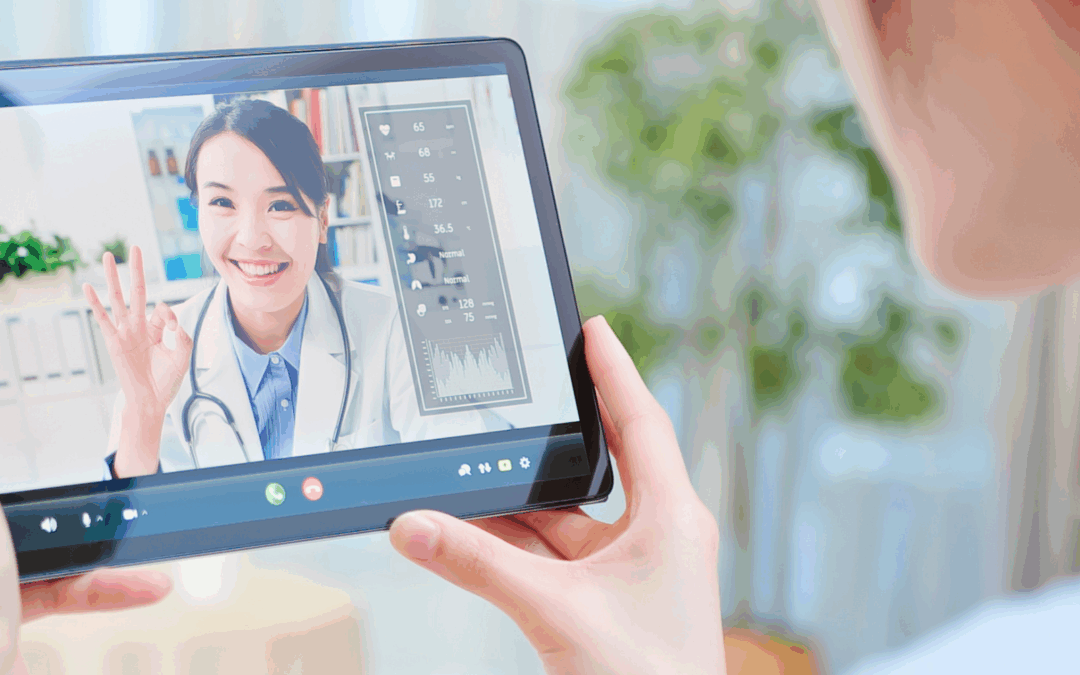
In today’s fast-paced world, more people than ever are looking for convenient, personalized, and effective ways to take charge of their health. When it comes to weight management, technology is changing the game. Telehealth weight loss programs allow patients to access professional care, medication, and ongoing support—all from the comfort of home.
But what exactly is telehealth weight loss? How does it work, and is it effective? Let’s break down the benefits, the process, and why this approach may be the right choice for you.
What Is Telehealth Weight Loss?
Telehealth weight loss refers to the use of virtual healthcare—video calls, phone consultations, and secure messaging—to provide patients with medical supervision, guidance, and tools to lose weight safely.
Through telehealth, providers can:
- Assess your medical history and lifestyle
- Prescribe weight loss medications when appropriate
- Create individualized nutrition and exercise recommendations
- Monitor progress and make adjustments in real time
- Offer emotional and behavioral support
This approach combines the accessibility of digital health with the expertise of medical professionals, making weight loss management more attainable and personalized.
Why Choose Telehealth for Weight Loss?
Traditional weight loss programs often require multiple in-person appointments, rigid schedules, or generic advice that doesn’t work for everyone. Telehealth weight loss offers something different:
1. Convenience and Accessibility
No more commuting to appointments or rearranging your schedule. Telehealth allows you to meet with your provider from home, your office, or even while traveling. This makes it easier to stick to your plan and remain consistent.
2. Personalized Care
Telehealth programs aren’t “one-size-fits-all.” Providers evaluate your medical history, mental health, lifestyle, and goals to create a customized plan that works for you.
3. Integrated Mental Health Support
Weight management is closely tied to emotional health. Many people turn to food as a coping mechanism for stress, anxiety, or depression. Clinics offering both mental health medication management and telehealth weight loss support can address both sides of the equation.
4. Access to Weight Loss Medications
For patients who qualify, medications such as GLP-1 receptor agonists (like semaglutide), appetite suppressants, or metabolic enhancers may be prescribed. Telehealth makes it easier to begin and maintain these treatments with ongoing monitoring.
5. Privacy and Comfort
Some people feel uncomfortable discussing weight in person. Telehealth provides a private, judgment-free space to talk openly about challenges and progress.
6. Ongoing Accountability
Frequent virtual check-ins help patients stay motivated. Providers can track progress, celebrate milestones, and quickly adjust treatment if needed.
How Telehealth Weight Loss Works
The process is simple and designed to remove barriers to care. Here’s what you can expect:
Step 1: Initial Consultation
Your journey begins with a comprehensive telehealth appointment. Your provider will review:
- Medical history and current health concerns
- Weight loss goals and previous attempts
- Medications you’re currently taking
- Mental health background, since emotions and weight are often linked
This helps determine whether you’re a candidate for medication-assisted weight loss, lifestyle coaching, or both.
Step 2: Personalized Treatment Plan
Based on your assessment, your provider will develop a tailored plan. This may include:
- Prescription medications to support weight loss
- Nutrition guidance (balanced eating, portion control, or dietary adjustments)
- Exercise recommendations suitable for your lifestyle
- Stress management strategies, including therapy or mental health support
Step 3: Medication Management (if appropriate)
If medications are prescribed, your provider will explain how they work, potential side effects, and how to take them safely. Regular telehealth follow-ups ensure that dosages are effective and adjusted as needed.
Step 4: Regular Check-Ins
Through scheduled video or phone visits, your provider will track your weight, discuss challenges, and celebrate progress. These sessions keep you accountable and motivated.
Step 5: Ongoing Support and Adjustments
Telehealth programs are flexible. If something isn’t working—whether it’s a medication, diet plan, or exercise routine—your provider can adjust your treatment in real time.
The Role of Medication in Telehealth Weight Loss
Weight loss isn’t just about willpower. For many, biology plays a major role. Hormones, metabolism, and appetite regulation can make losing weight incredibly difficult. That’s where weight loss medications can help.
Telehealth providers may prescribe medications such as:
- GLP-1 receptor agonists (like semaglutide or tirzepatide): These regulate appetite and improve insulin response.
- Appetite suppressants: Reduce cravings and help manage portion sizes.
- Metabolic boosters: Support calorie burning and energy levels.
By combining medication with lifestyle changes, patients often see more sustainable results.
Telehealth Weight Loss vs. DIY Approaches
You may wonder: why not just try to lose weight on your own? While diet and exercise are important, telehealth adds an extra layer of effectiveness and safety.
|
DIY Weight Loss |
Telehealth Weight Loss |
|
Generic diet plans or apps |
Personalized, medically supervised care |
|
No access to prescription medications |
Safe use of FDA-approved medications |
|
Self-motivation required |
Ongoing accountability with a provider |
|
May overlook underlying health issues |
Holistic care that includes mental health and physical health |
The structured support of telehealth makes it easier to achieve and maintain long-term results.
The Mental Health Connection
Weight loss isn’t just physical—it’s deeply emotional. Many people struggle with emotional eating, stress-related cravings, or self-esteem issues tied to body image.
A clinic that integrates mental health medication management with telehealth weight loss offers comprehensive care. Addressing anxiety, depression, or ADHD can make it easier to stick to a weight management plan and achieve sustainable results.
Who Is a Good Candidate for Telehealth Weight Loss?
Telehealth weight loss may be a good fit if you:
- Have tried to lose weight on your own without lasting success
- Want medical support but prefer virtual convenience
- Are interested in weight loss medications with professional guidance
- Need accountability to stay on track
- Struggle with mental health concerns that affect eating and weight
Telehealth is flexible and can be tailored to fit different lifestyles, making it accessible to busy professionals, parents, or anyone looking for a more manageable approach to health.
Preparing for Your First Telehealth Appointment
To get the most out of your initial consultation, be prepared to discuss:
- Your weight loss goals and challenges
- Past diets or medications you’ve tried
- Any existing health conditions (diabetes, hypertension, thyroid issues, etc.)
- Your current medications, including mental health prescriptions
- Lifestyle details (sleep, exercise, diet patterns, stress levels)
The more open you are, the more personalized your treatment plan will be.
Key Benefits of Telehealth Weight Loss
- Convenience: Access care from anywhere.
- Personalization: Tailored plans that fit your lifestyle.
- Medication access: Safe prescriptions to support weight loss.
- Mental health integration: Emotional support alongside physical health.
- Accountability: Regular follow-ups to keep you motivated.
- Privacy: Confidential, judgment-free care.
Final Thoughts
Telehealth weight loss is revolutionizing how people approach weight management. By combining medical expertise, personalized care, and the convenience of virtual healthcare, it offers an effective and sustainable path for people ready to take control of their health.
Weight loss is about more than numbers on the scale—it’s about feeling confident, energized, and healthy in both mind and body. With telehealth, you can get the support you need without the barriers of traditional care.
Ready to Start Your Telehealth Weight Loss Journey?
Our clinic specializes in both mental health medication management and telehealth weight loss programs designed to fit your lifestyle. Whether you’re struggling with emotional eating, weight-related health concerns, or need medical guidance to achieve your goals, we’re here to help.
Schedule your appointment today and take the first step toward a healthier, more confident you.
Get Started Today

Contact
New Mexico
Phone: (505) 910-4070
Fax: (505)-910-4587
Washington:
Phone: 509-209-9175
Fax: 509-209-9286
Address
New Mexico: 10409 Montgomery PKWY NE #202b Albuquerque, NM 87111
Washington: 425 W. 2nd AvenueSuite #106, Spokane, WA 99201
Arizona: 9700 N. 91st St. #A-115, Scottsdale, AZ 85258